
How to create self-adhesive lead foil and install it on doors?
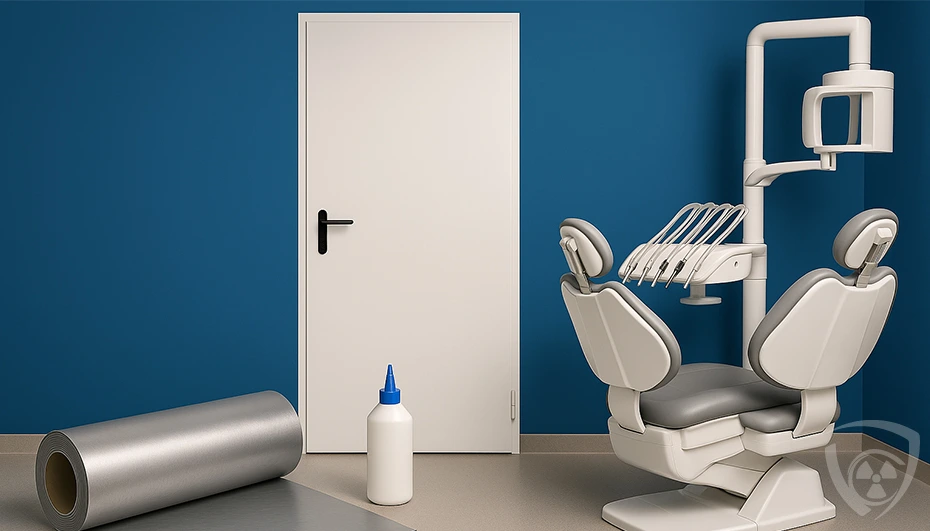
Lead foil is indispensable in the radiological protection industry, as it effectively blocks radiation. With this guide, you will learn how to create self-adhesive lead foil at home and properly attach it to doors. Each step is described in detail so that you can easily perform all the actions by yourself.
Step 1: Preparing the lead foil
1.1 Unrolling the lead foil on a flat surface
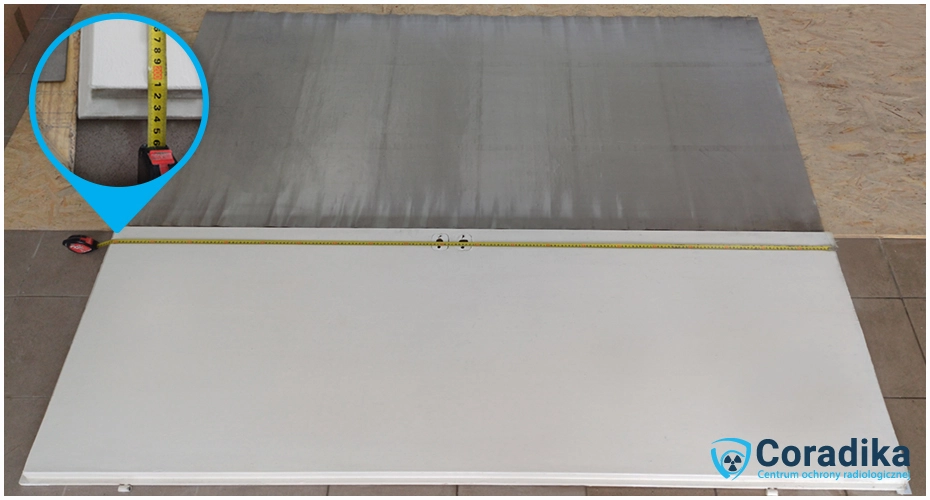
The first step is to unroll the lead foil on a flat and clean surface. Make sure the surface is large enough to spread out the entire foil, avoiding creasing or wrinkling. Keep in mind that lead foil can be quite heavy, so perform this step carefully to prevent damage to the material. You can use the lead foil available on our website for this step.
1.2 Smoothing and straightening the unevenness of the lead foil
Next, use a soft cloth or rubber roller to smooth the foil. Ensure that all wrinkles and creases are removed. This process is important to avoid issues during application, as uneven foil can cause air bubbles to form.
1.3 Removing the door panel
Before proceeding with the foil installation, remove the door panel. Of course, this step depends on the type of door, but most can be taken off using a wrench or screwdriver. This will provide easier access to the entire door surface and ensure more accurate foil application.
1.4 Measuring the door and cutting the lead foil
Before cutting the foil, measure the height and width of the door precisely. Then, cut the appropriate length of lead foil using a sharp knife or metal shears. Remember to add a few centimeters of extra material for any necessary adjustments.
1.5 Cleaning the foil with isopropyl alcohol and primer
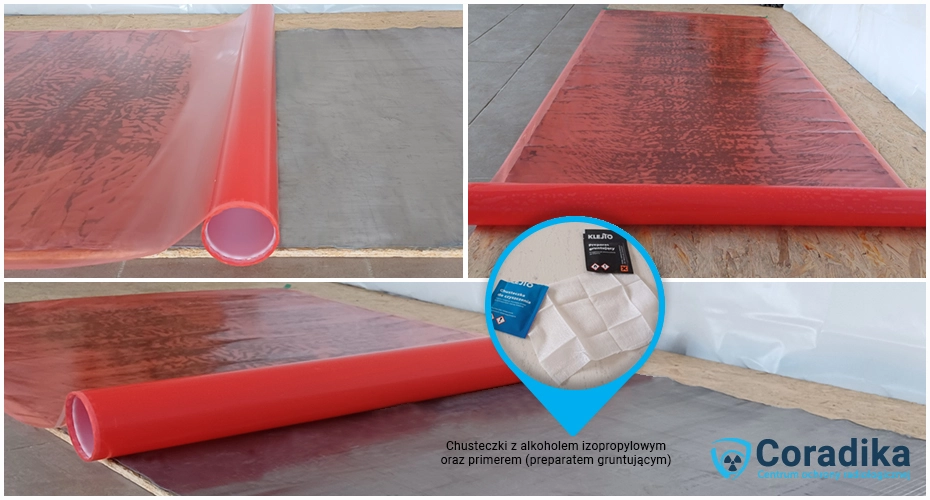
To ensure better adhesion of the adhesive tape, wipe the surface of the lead foil with isopropyl alcohol to remove dirt and grease. Then, apply a primer, which is a bonding agent that increases the adhesive strength of the glue to the foil.
Step 2: Applying double-sided adhesive tape to the lead foil
2.1 Method of unrolling and applying double-sided adhesive tape
Once the lead foil is ready, gradually unroll the double-sided adhesive tape, starting from one end of the foil. It’s best to perform this step with two people: one person unrolls the tape, while the other uses a roller to evenly press the tape onto the foil. This method allows for more precise tape application, helping to prevent air bubbles and unevenness.
2.2 Removing air bubbles
While applying the tape, air bubbles may appear. To remove them, use a wallpaper roller or a flat card, gently pressing on the foil. Try to push the air towards the edges of the foil to remove it completely.
Step 3: Precise cutting of the self-adhesive lead foil
3.1 Measuring the door panel
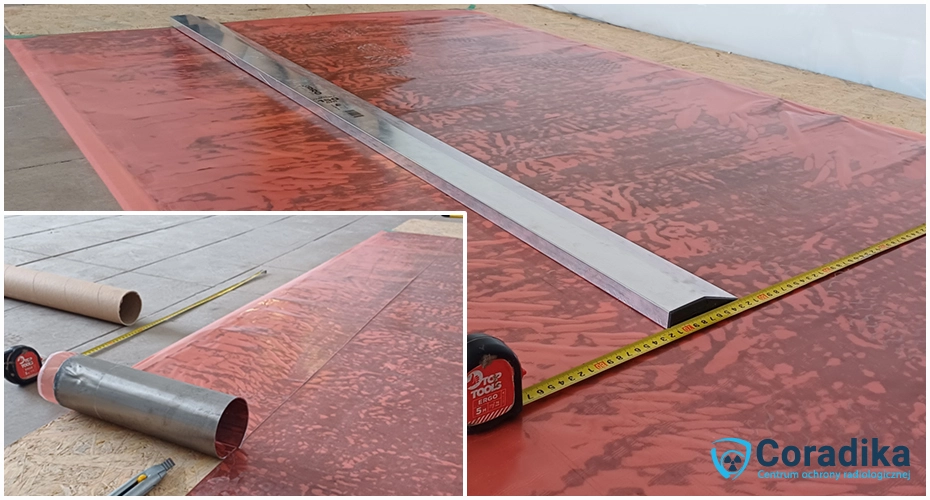
Before applying the foil, measure the door panel once again carefully. Every millimeter matters, so make sure the measurements are accurate and the foil fits perfectly.
3.2 Cutting the foil to the door panel’s dimensions
Use precise tools, such as a knife with a sharp blade, to trim the self-adhesive lead foil to the dimensions of the door panel. Remember, it’s better to cut a bit too much than too little – excess foil can be corrected later, but a shortage will be more difficult to fix.
3.3 Rolling up excess foil
It’s a good idea to roll up any leftover lead foil, as it can be useful for other applications later on. Make sure to protect it from dirt and damage.
3.4 Rolling up the entire lead foil
After combining the lead foil with the double-sided adhesive tape, flip the entire sheet of foil to the other side and roll it up. It’s also recommended to do this step with two people to ensure the foil is rolled up precisely and safely, avoiding damage or creasing.
Step 4: Preparing the door surface for applying the foil
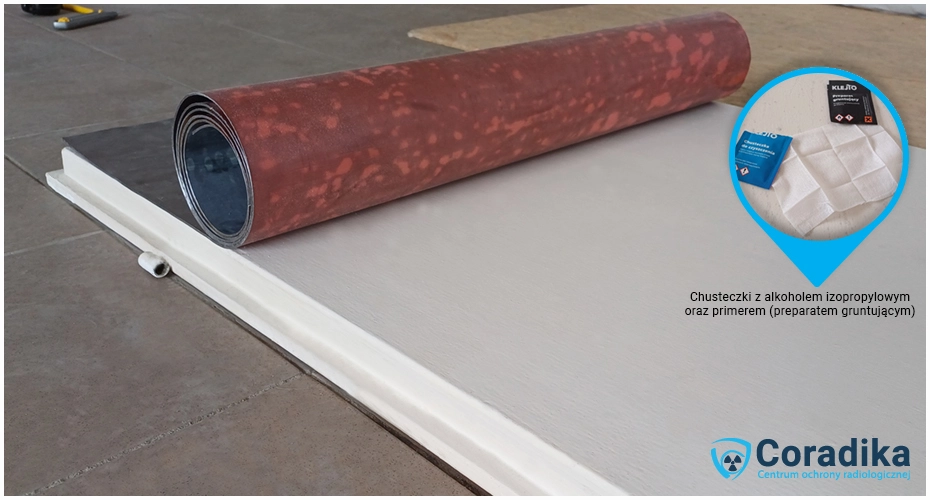
4.1 Cleaning the door surface
Just like with the foil, the door must be thoroughly cleaned. Wipe the surface with isopropyl alcohol to remove dust and grease. Also, apply a primer to increase the adhesion of the lead foil to the door.
4.2 Positioning the lead foil on the door panel
Carefully lay the prepared lead foil on the surface of the door without removing the protective adhesive layer yet. Check that everything aligns correctly and that the foil fits the door dimensions exactly. You can mark light guide lines on the door to help you apply the foil in the correct position.
Step 5: Applying the lead foil to the door
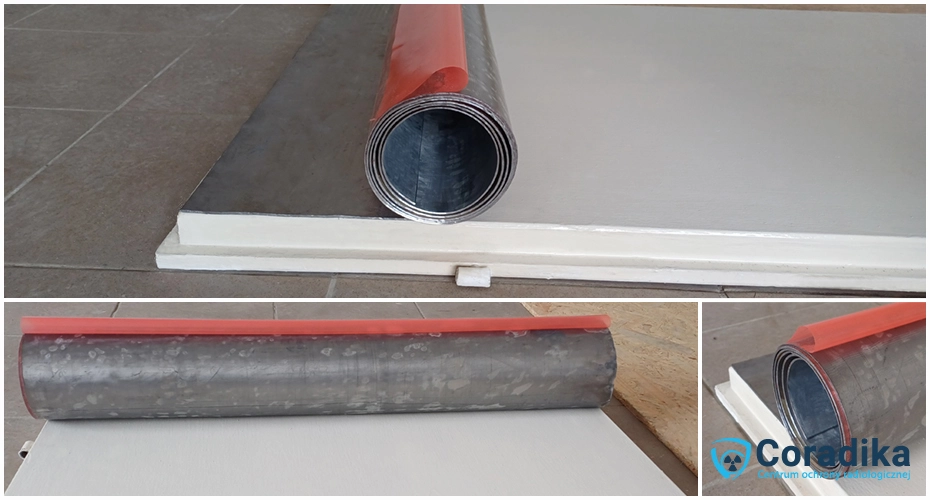
5.1 Peeling off the protective layer
Now slowly peel off the protective adhesive layer (usually red foil) while simultaneously unrolling the lead foil onto the door. Be careful not to let it shift—precision in this step is crucial.
5.2 Positioning and applying the foil
Position the prepared roll of self-adhesive lead foil on the edges of the door, ensuring that the corners of the foil and the door are aligned. This is very important because once the foil is applied, it will be difficult to remove, and any mistakes will be hard to correct. Start by applying the foil exactly flush with the door edges, pressing it down gradually as you unroll. This method helps avoid unevenness that can occur if the foil is misaligned at the start.
Step 6: Securing and finishing the lead foil
For a better result and greater durability, it’s worth considering protecting the lead foil layer. There are several methods you can use to cover the lead foil while also improving the aesthetics and durability of the surface:
6.1 Painting with lead paint
The most popular solution is to paint the foil layer with special lead paint. Lead paints provide additional protection for the foil as well as an aesthetically pleasing finish, making them ideal for use in areas exposed to radiation. These paints create a durable protective coating and are easy to apply.
6.2 Applying wall panels or MDF boards
Another method for covering lead foil is to use wall panels or MDF boards. This approach allows for additional reinforcement of the door structure and gives them an aesthetic finish that can later be painted or covered with veneer. MDF boards are lightweight and easy to install, and they can also improve acoustic insulation.
6.3 Decorative veneer
If you’re looking for a simple and quick solution, you can also use decorative veneer. Veneers are available in various patterns and colors, allowing you to give your doors a modern look without using paint. However, make sure the veneer is durable enough to adhere well to the lead foil for a long time.
6.4 Upholstery
Upholstering the door is another alternative. Using soft materials such as eco-leather or fabrics, you can cover the lead foil and give the doors an elegant appearance. Additionally, upholstered doors can increase thermal and acoustic insulation.
Done!
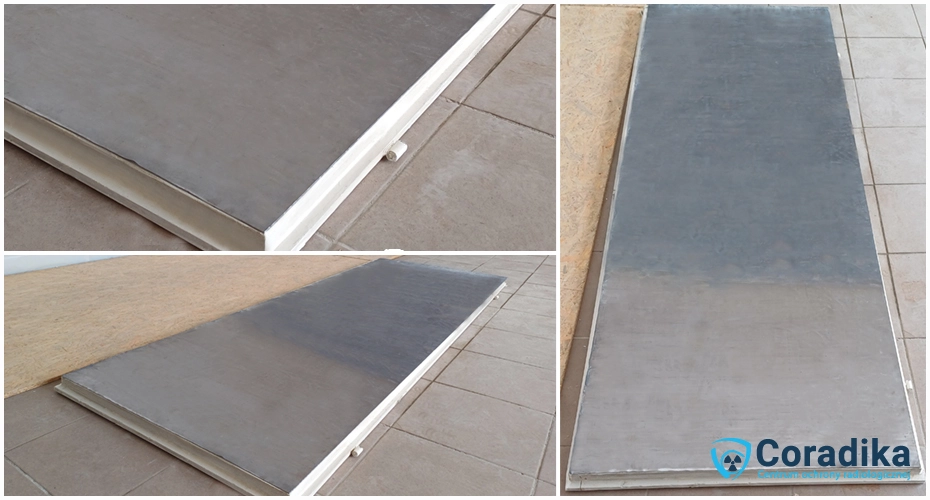
After completing all the steps, your doors are not only protected from radiation but also aesthetically finished. Choosing the right method, such as painting, installing panels, or upholstering, will allow you to achieve both functionality and stylish doors. Depending on your needs, you can choose one of the described methods to ensure the lead foil is securely protected and properly covered.
Safety Measures
When working with lead foil, it’s important to take proper safety precautions:
- Wear protective gloves – It’s best to handle lead foil with gloves to minimize contact with lead, which is a heavy metal.
- Ensure good ventilation – Working with isopropyl alcohol and primer requires proper ventilation to avoid inhaling fumes.
- Eye protection – When cutting the foil, it’s advisable to wear protective goggles, especially when using tools like a metal-cutting knife.
Why do it yourself?
Applying lead foil to doors yourself can be more cost-effective than hiring an external company to do the job.
- Cost savings – By purchasing lead foil and double-sided adhesive tape, you can save on labor costs by doing the work yourself.
- Control over the process – By completing the task on your own, you have full control over every stage, which can be important if precise finishing is a priority.
Frequently asked questions (FAQ)
How long does the entire process take?
- If done by two people, installing lead foil on a door panel takes about 2-3 hours. This time includes both the preparation of the foil and its precise application to the door.
Can lead foil be applied to surfaces other than doors?
- Yes, lead foil can be used on various surfaces, such as walls, windows, or other structural elements that require radiation protection. However, always make sure the surface is properly prepared.
How long does lead foil retain its protective properties?
- Lead foil, if properly installed and secured, retains its protective properties for many years. Additional protection with special paints or panels can increase its durability.


