
Lead foil and lead sheet – X-ray protection and materials in the Coradika store
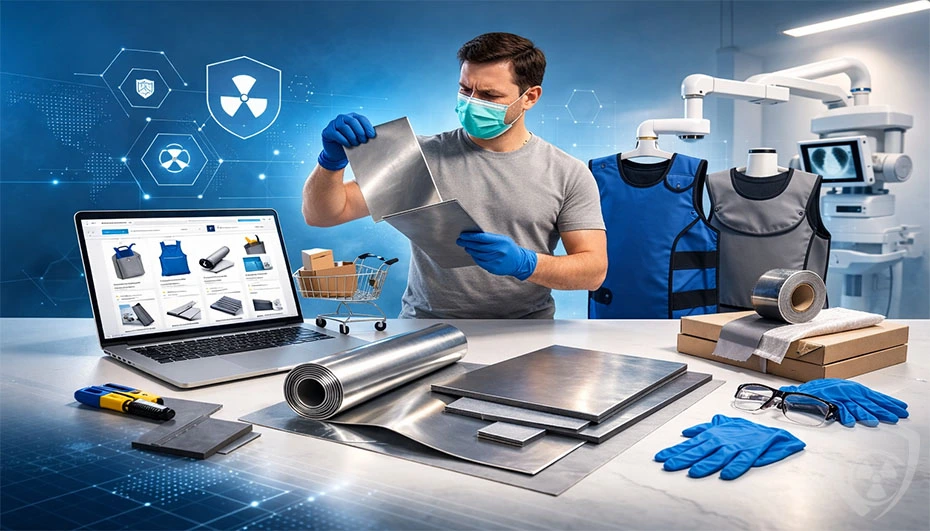
Introduction to X-ray Protection
Radiography, also known as X-ray imaging, is one of the most important diagnostic methods in medicine. It enables obtaining images of the body’s internal structures, which is crucial for diagnosing many conditions. However, the X-ray radiation used in this technology can be dangerous for both patients and medical personnel. Therefore, using appropriate protective measures is extremely important.
Protection against X-ray radiation is not a new concept. Since the early 20th century, when this technology began to be more widely used, efforts have been made to minimize its negative effects. One of the first and most effective materials used for this purpose was lead. Its protective properties make it an indispensable element in every X-ray room.
In this article, we will take a closer look at two main forms of lead used in protection against X-ray radiation: lead foil and lead sheet. We will discuss their properties, applications, and differences between them. In addition, we will present products available in the Coradika store that provide professional X-ray protection.
What is lead sheet?
Lead sheet is a heavy but extremely effective protective material. It is manufactured from pure lead or its alloys, which gives it exceptional shielding properties. This sheet is used in various industries, but its main application is protection against X-ray radiation.
Lead sheet is characterized by high density, which makes it an excellent material for blocking radiation. Thanks to this, it is often used in the walls, ceilings, and floors of rooms where X-ray examinations are performed. It can also be used for the production of shields such as protective X-ray aprons, X-ray screens or covers for medical equipment.
One of the key advantages of lead sheet is its durability. When properly installed, it can serve for many years, providing continuous protection. It is also resistant to corrosion, which is important in the context of long-term use in medical environments.
What is lead foil?
Lead foil is a thinner and more flexible version of lead sheet. It is made from the same material—lead—but its thickness is significantly smaller. As a result, it is more flexible and easier to shape, allowing it to be used in areas where lead sheet would be too rigid or difficult to install.
Lead foil is widely used in X-ray protection, especially in situations where precise and flexible shielding is required. It can be applied for lining windows and doors, as well as for manufacturing smaller protective elements such as protective sleeves or shields for small medical devices. Thanks to its flexibility, lead foil can also be used in areas with irregular shapes, which significantly increases its versatility.
One of the main advantages of lead foil is its lighter weight compared to lead sheet. Despite being lighter, it still provides effective protection against X-ray radiation, making it an ideal solution for many medical and industrial applications. Moreover, lead foil is easy to install and can be cut to size, allowing it to be tailored to specific needs and requirements.
Comparison of Lead Foil and Lead Sheet
Although both lead foil and lead sheet serve the same purpose—protection against X-ray radiation—there are several key differences between them that may influence the choice depending on the specific application.
The first and most obvious difference is thickness. Lead sheet is significantly thicker and heavier, making it more durable and robust. It is ideal for use in permanent structures such as walls, floors, and ceilings in X-ray rooms. On the other hand, lead foil, although thinner, is more flexible and easier to shape, which makes it more versatile in applications requiring precise fitting.
Another difference is the installation method. Lead sheet requires solid mounting, which may involve the use of specialized tools and techniques. Installing lead foil is much simpler and faster, which can be crucial in situations where time and flexibility are important. The foil can be easily cut and adapted to different shapes and sizes, increasing its versatility.
The last, but no less important, difference is cost. Due to its thickness and durability, lead sheet is usually more expensive than lead foil. However, the long-term benefits associated with its durability may translate into savings over time. Lead foil, although more affordable, may require more frequent replacement, especially in heavily used areas.
Applications of Lead Foil and Lead Sheet in X-ray Protection
Lead foil and lead sheet are widely used in various aspects of protection against X-ray radiation. Each of these materials has unique characteristics that make it suitable for specific applications.
Lead sheet is most commonly used in the construction of rooms where X-ray examinations are performed. Its thickness and durability make it an ideal material for lining walls, ceilings, and floors. As a result, the entire room becomes safe and effectively blocks radiation, protecting both patients and medical personnel. Lead sheet is also used for the production of larger shields, such as protective screens, which can be easily moved depending on needs.
Lead foil, in turn, is used in more precise and flexible solutions. It is ideal for lining windows and doors where a thin yet effective protective barrier is required. It can also be used to produce smaller shields, such as protective sleeves for patients’ arms or legs, as well as shields for small medical devices. Thanks to its flexibility, lead foil is also used in areas with irregular shapes where lead sheet would be difficult to apply.
In both cases, both lead foil and lead sheet are indispensable elements in every X-ray room. They provide not only protection against radiation but also comfort and safety for patients and staff. The choice of the appropriate material depends on specific needs and the conditions in which it will be used.
How to Properly Use Lead Foil and Lead Sheet?
The use of lead foil and lead sheet requires proper procedures and techniques to ensure maximum protection against X-ray radiation. Incorrect use of these materials may lead to gaps and incomplete shielding, which poses a health risk.
The first step in properly using lead sheet is ensuring correct installation. The sheet must be precisely cut and fitted to the dimensions of the room where it will be used. It is important to make sure that all joints are sealed and that there are no gaps through which radiation could penetrate. Installing lead sheet often requires specialized tools and techniques, so it is important that it is carried out by qualified personnel.
Lead foil, although easier to install, also requires precise fitting. The foil should be cut to size and adhere closely to the surface on which it is applied. It is important to avoid creases and folds that may lead to leaks. Lead foil can be attached using specialized adhesives or tapes that ensure stable and durable adhesion.
Another important aspect is regular inspection and maintenance. Both lead foil and lead sheet may wear over time, so it is important to regularly check their condition and carry out repairs or replacements if necessary. Regular inspection also allows detection of any damage or gaps that may affect the effectiveness of protection.
Additional Professional X-ray Protection – Aprons, Screens, Shields in the Coradika Store
The Coradika store offers a wide range of products for professional protection against X-ray radiation. Among the available materials are both lead foil and lead sheet, as well as various types of shields that provide comprehensive protection in X-ray rooms.
One of the key products available in the Coradika store are protective X-ray aprons. Made from high-quality materials, these aprons provide effective protection for both patients and medical personnel. They are available in various sizes and thicknesses, allowing them to be tailored to individual needs. The protective aprons are lightweight and comfortable, increasing wearing comfort during long examinations.
Protective X-ray screens are another important element of equipment in every X-ray room. They effectively separate areas where examinations are performed from the rest of the space, minimizing radiation exposure. The screens available in the Coradika store are made of lead sheet, ensuring maximum protection. They are also easy to move, allowing flexible use depending on current needs.
Shields for medical equipment are another important part of the Coradika store’s offer. They make it possible to protect various devices from radiation, increasing the safety of their use. These shields are available in different sizes and shapes, allowing them to be adapted to specific equipment. Made of lead foil or lead sheet, they provide effective protection and durability.
Standards and Regulations Regarding Radiation Protection
Protection against X-ray radiation is regulated by numerous standards and regulations aimed at ensuring maximum safety for patients and medical personnel. In Poland, as in many other countries, there are strict guidelines regarding the use of protective materials such as lead foil and lead sheet.
One of the key documents regulating radiation protection is the Regulation of the Minister of Health, which defines the requirements for radiological protection. This document contains detailed guidelines on the use of protective materials, such as the minimum thickness of lead sheet to be used in the walls of X-ray rooms, as well as requirements for protective aprons and other shielding equipment.
Another important body is the International Commission on Radiological Protection (ICRP), which issues recommendations on radiation protection at the international level. These recommendations are often incorporated into national regulations and standards, ensuring consistency and compliance with international guidelines.
Compliance with radiation protection standards and regulations is not only mandatory but also crucial for ensuring safety. Regular inspections and audits help verify whether the materials and procedures used meet the required standards. If any irregularities are identified, appropriate corrective actions must be taken to ensure full protection.
User Reviews and Recommendations
User reviews are an invaluable source of information about the effectiveness and quality of protective products. Many specialists from the medical field who work daily with X-ray radiation emphasize the importance of using high-quality protective materials such as lead foil and lead sheet.
One of the most frequently mentioned advantages of products offered by the Coradika store is their durability and reliability. Users praise both lead foil and lead sheet for their effectiveness in blocking radiation as well as their ease of installation. Many people also highlight that these products meet all standards and regulations, giving them confidence that they are properly protected.
Many users also point out the wide range of products available in the Coradika store. Thanks to the diversity of the offer, it is possible to find suitable solutions for various applications. Protective aprons, screens, or shields for medical equipment — all of these can be found in one place, which greatly simplifies purchasing and ensures comprehensive protection.
Customer service reviews about Coradika are also noteworthy. Many users praise the professionalism and helpfulness of the staff, who are always ready to provide advice and assistance in selecting the right products. Fast order fulfillment and competitive prices are additional advantages that attract customers to the Coradika store.
Summary and Conclusions on X-ray Protection
Protection against X-ray radiation is crucial for ensuring the safety of patients and medical personnel. Lead foil and lead sheet are indispensable materials that effectively block radiation, minimizing its negative effects. Each of these materials has its own unique characteristics and applications, allowing for versatile use in various situations.
Lead sheet, thanks to its thickness and durability, is an ideal material for permanent structures such as walls, floors, and ceilings in X-ray rooms. Its durability and resistance to corrosion ensure long-term protection. Lead foil, on the other hand, due to its flexibility and light weight, is used in more precise and customized solutions, such as lining windows, doors, or manufacturing smaller protective shields.
The Coradika store offers a wide range of products for professional protection against X-ray radiation, including lead foil and lead sheet, as well as various types of shields that provide comprehensive protection. User reviews confirm the high quality and effectiveness of these products, which is the best proof of their reliability.


