
What would happen if RTG protection wasn’t used in everyday medical practice?
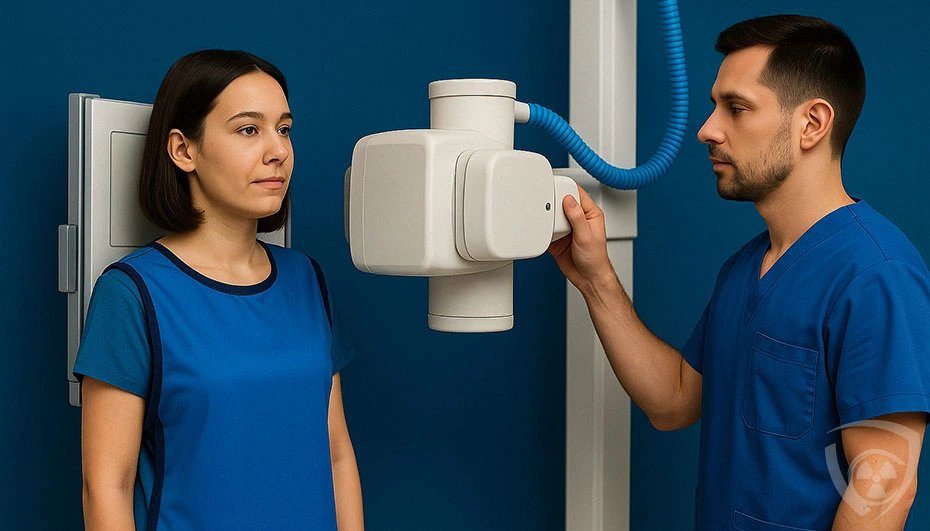
X-ray radiation (RTG) is one of the most commonly used diagnostic tools in medicine. It enables fast and effective imaging of internal body structures such as bones, organs, and teeth. Although this is an extremely helpful tool, RTG radiation is a form of ionizing radiation, which can be harmful to health if appropriate protection is not used.
In this article, we explain what the consequences of not using radiological protection might be, both for medical personnel and for patients. We also discuss why following protection principles is not only a legal requirement but also an investment in health and safety.
What is Ionizing Radiation and Why is it Dangerous?
Ionizing radiation is a type of energy that can ionize atoms – that is, remove electrons from them. This process can lead to serious biological damage because it disrupts the structure of cells and even DNA. This type of radiation does not cause immediate injuries, but its effects can appear many years later.
Why Can X-ray Radiation Be Dangerous?
Although the doses used in diagnostics are relatively low, their repetition and the lack of adequate protection can lead to the accumulation of biological effects. This accumulated dose is precisely what can be dangerous in the long term. Among the potential health effects of prolonged exposure to ionizing radiation are:
- Genetic mutations, which may lead to hereditary diseases or cancerous changes,
- DNA damage, which affects cell regeneration and may result in tumors,
- Changes in tissue structure, leading to degeneration and premature aging,
- Increased risk of cancer, such as leukemia, thyroid cancer, or skin cancer,
- Negative effects on fertility, especially for people working in radiation-exposed environments for many years.
For this reason, the use of appropriate protective measures when dealing with RTG radiation is crucial.
Effects of Lack of RTG Protection for Medical Staff
Medical personnel are among the most exposed to prolonged and regular exposure to X-ray radiation. This includes not only radiologists but also technicians, nurses, dentists, veterinarians, and support staff. Many healthcare workers underestimate the risk, not realizing the long-term consequences of radiation exposure.
Long-term Exposure – A Silent Threat
Daily exposure to radiation, even in small doses, can result in the accumulation of annual doses above recommended limits. This may lead to permanent changes in the body that can become apparent over time. Health consequences include:
- Cataracts – the eyes are particularly sensitive, and without protection, the lens may become cloudy,
- Occupational cancers – long-term work without adequate protection may lead to leukemia, lymphoma, or skin cancer,
- Radiation damage to the skin and bones – hand injuries have been documented in RTG technicians from the 1920s and 1930s,
- Damage to internal organs – especially during procedures performed close to the radiation source,
- Effects on fertility and offspring health – radiation may affect reproductive cells.
How to Prevent It?
Fortunately, effective protection methods significantly reduce the risk. Every person working with radiation should use:
- RTG protective aprons – made of lead or lead-free shielding materials,
- Protective collars and capes – for shielding the thyroid and chest,
- Head and hand protection – including gloves and face shields,
- Screens and fixed shields – especially for procedures performed in close proximity,
- Use of distance and reduced exposure time – the three main principles of protection.
See our personal protective equipment offer: RTG protective clothing
Effects of Lack of RTG Protection for Patients
Although patients are usually exposed to one-time or occasional examinations, inadequate protection can result in irreversible health effects. What appears to be a safe examination may become a health risk, especially if appropriate protection is not used.
Who Is Particularly at Risk?
Not all patient groups respond the same way to radiation. Some are particularly sensitive, including:
- Children and adolescents – their bodies are developing rapidly, and cells divide more quickly, increasing sensitivity to radiation,
- Pregnant women – radiation can harm the developing fetus,
- Cancer patients and those with chronic illnesses – often subject to frequent diagnostic imaging.
Potential Health Effects:
In patients who are not adequately protected, radiation exposure may lead to:
- Fetal damage – potentially causing birth defects, developmental delays, or miscarriage,
- Increased cancer risk – from accumulated doses,
- Genetic mutations – with possible consequences for future generations.
Patient Protection – What to Use?
To ensure patient safety, especially for children and women, the following should be used:
- RTG aprons – especially for abdominal, pelvic, and spinal exams,
- Protective collars – to shield the thyroid, especially in dental imaging,
- Breast and reproductive organ shields – essential during chest and abdominal imaging,
- Protective screens – separating non-examined body parts.
Coradika also offers RTG screens that effectively shield against radiation in diagnostic rooms.
Legal Regulations on RTG Protection
The radiological protection system in Poland is based on strict legal regulations. These are designed not only to protect personnel and patients but also to standardize procedures in medical facilities.
Basic Legal Acts Include:
- The Atomic Law,
- Regulations of the Ministry of Health,
- European standards (e.g., PN-EN 61331),
- Guidelines from the National Atomic Energy Agency and the Sanitary Inspection.
Employer Responsibilities:
Each medical facility must provide:
- Certified personal protective equipment,
- Occupational health and radiation safety training,
- Monitoring of radiation doses (dosimetry),
- Cooperation with a Radiation Protection Inspector (IOR).
What Are the Penalties for Non-Compliance?
Failure to comply with regulations may result in:
- Financial penalties (administrative fines),
- Revocation of operating licenses,
- Civil lawsuits in case of patient exposure,
- Negative sanitary inspections and prohibition of radiation use.
Examples and Research Data
History and scientific studies provide many cases illustrating the consequences of radiation exposure:
- Marie Skłodowska-Curie – a pioneer in radiation research, who died from radiation-induced illness,
- WHO report – shows increased cancer risk among RTG facility workers,
- American studies – RTG technicians from the 1950s and 1960s had higher leukemia rates than the general population,
- Protection effectiveness – a 0.5 mm Pb lead apron reduces radiation exposure by over 90%.
How to Stay Protected? Practical Tips
For Medical Staff:
Each employee working with RTG should:
- Always use personal protective equipment, even for short procedures,
- Maintain distance – each additional meter significantly reduces exposure,
- Use barriers, lead glass, and fixed shields – to prevent radiation spread,
- Wear personal dosimeters – to monitor monthly exposure.
For Patients:
An informed patient is a safer patient. It’s important to:
- Ask about available protection,
- Inform the doctor if pregnant,
- Avoid unnecessary RTG exams – only follow a doctor’s recommendation.
For Clinic Owners:
A responsible employer:
- Invests in certified protective equipment,
- Trains staff on radiological safety,
- Regularly inspects protective gear and equipment.
Summary
Lack of RTG protection is a real threat that can lead to serious, irreversible health consequences. Radiation is invisible and imperceptible, but its effects may appear years later.
Using appropriate protective equipment is not only a legal obligation but also a matter of responsibility and care. By choosing certified radiological protection products, you safeguard the health of yourself, your team, and your patients.
At Coradika, you’ll find a wide range of modern, effective RTG protection products – from protective clothing to screens, lead glass, and shielding foil.
Protect your health – because radiation is invisible, but its effects can be very real.


