What happens without radiological protection? Effects and risks
Introduction to radiological Pprotection
Radiological protection is aimed at safeguarding people and the environment from the harmful effects of ionizing radiation. This type of radiation is widely used in medicine, industry, and scientific research; however, improper use or the lack of appropriate protective measures can lead to serious health consequences. It is important to understand the risks associated with radiation exposure and the steps that can be taken to minimize them.
Ionizing radiation has the ability to penetrate matter and cause ionization of atoms, which can lead to damage to cells and tissues. In today’s world, we are exposed to radiation from various sources, both natural and man-made. That is why it is essential to apply proper protective measures that help reduce health risks.
Without adequate radiological protection, both workers exposed to radiation in their jobs and the general public may face serious health effects. In this article, we will take a closer look at what radiation is, its different types, the effects of exposure, and the most effective methods of protection.
What is radiation and what are its types?
Radiation is a process in which energy is emitted in the form of waves or particles. There are many types of radiation, but in the context of radiological protection, ionizing radiation is the most important. Ionizing radiation has enough energy to ionize atoms, meaning it can cause damage at the molecular level. The most common types of ionizing radiation include alpha, beta, gamma, and X-ray radiation.
Alpha radiation consists of heavy, positively charged particles that can be stopped by a sheet of paper or the outer layer of skin. Although alpha radiation cannot penetrate the skin, it can be very dangerous if it enters the body, for example through inhalation or ingestion. Beta radiation consists of light, negatively charged particles that have a greater ability to penetrate than alpha radiation, but can still be stopped by thin layers of material such as protective clothing.
Gamma radiation and X-rays are high-energy electromagnetic waves capable of penetrating human tissue. Gamma radiation, emitted by radioactive substances, is particularly dangerous because it can pass through protective materials such as concrete and lead. X-rays are widely used in medical imaging, but improper use can lead to serious health consequences.
Health effects of radiation exposure
Exposure to ionizing radiation can lead to various health effects, depending on the radiation dose and duration of exposure. These effects may be both short-term and long-term, and their severity depends on many factors such as age, overall health, and individual sensitivity to radiation. It is important to understand these risks and take appropriate precautions to minimize them.
Short-term effects of radiation exposure may include symptoms such as nausea, vomiting, fatigue, and skin burns. These symptoms can occur within a few hours or days after exposure to a high dose of radiation. In extreme cases, high doses can lead to acute radiation sickness, characterized by damage to the hematopoietic system, digestive system, and other organs.
Long-term effects of radiation exposure may include an increased risk of cancer, damage to the nervous system, heart disease, and other serious conditions. Cancers such as leukemia, thyroid cancer, breast cancer, and lung cancer are particularly associated with long-term exposure to radiation. Additionally, radiation exposure can cause genetic damage that may be passed on to future generations.
Short-term and long-term effects of exposure
Short-term effects of radiation exposure are those that appear shortly after exposure to high doses of radiation. In addition to previously mentioned symptoms such as nausea, vomiting, and fatigue, they may also include headaches, fever, loss of appetite, and hair loss. In extreme cases, such as nuclear accidents, individuals exposed to very high doses of radiation may suffer damage to internal organs, which can lead to death within days or weeks.
Long-term effects of radiation exposure are more complex and may appear many years after exposure. These effects can include the development of cancers such as leukemia and thyroid cancer, as well as heart disease, damage to the nervous system, and other chronic conditions. Studies show that radiation exposure can also lead to DNA damage, increasing the risk of genetic mutations and birth defects in the offspring of exposed individuals.
One of the most well-known examples of long-term radiation exposure effects is the Chernobyl disaster. As a result of this event, thousands of people were exposed to high doses of radiation, leading to numerous cases of cancer and other serious illnesses. Long-term studies of those affected have shown that individuals exposed to radiation have a significantly higher risk of developing various types of cancer compared to the general population.
Risk groups – who is most exposed?
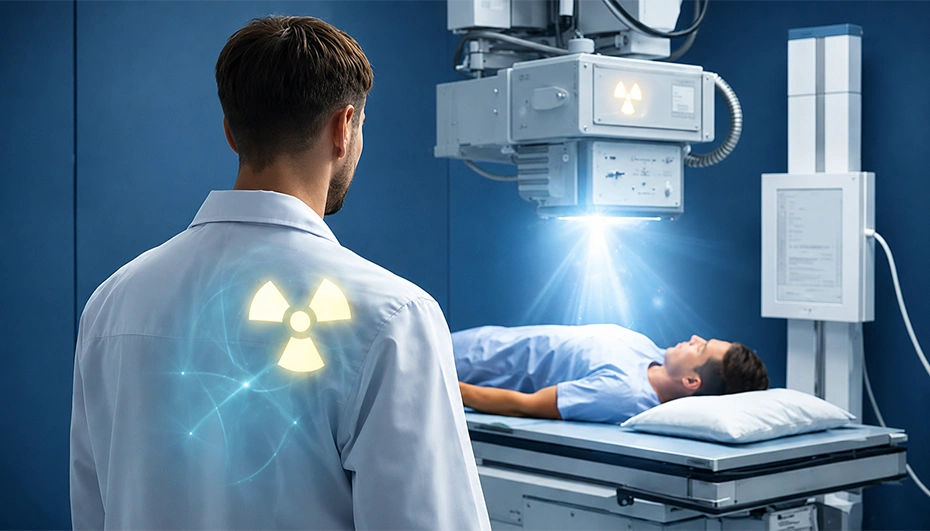
Certain groups of people are more vulnerable to the effects of ionizing radiation than others. Medical professionals who regularly use X-rays for diagnostic imaging are among the most exposed occupational groups. That is why it is crucial for them to use appropriate protective measures, such as lead shielding and dosimetry monitors, which help control radiation exposure levels.
Another high-risk group includes workers in the nuclear industry and individuals working in research laboratories where radioactive substances are used. These people may be exposed to radiation through direct contact with radioactive materials or as a result of accidents or incidents. In such environments, strict safety procedures and regular monitoring of radiation levels are essential.
Children and pregnant women are also more sensitive to the effects of ionizing radiation. Children, due to their developing bodies, are more susceptible to DNA damage and other radiation-related effects. Pregnant women must be particularly cautious, as radiation can lead to birth defects and other serious health issues in the developing fetus. Therefore, it is very important for these groups to avoid radiation exposure whenever possible.
Examples of incidents caused by lack of radiological protection
History provides many examples where insufficient radiological protection led to serious accidents and disasters. One of the most well-known is the Chernobyl disaster in 1986. As a result of a nuclear reactor failure, a massive amount of radiation was released and spread over a large area. Hundreds of people died directly due to the accident, and thousands more developed cancers and other serious illnesses.
Another tragic example is the Fukushima disaster in 2011. Following an earthquake and tsunami, a failure at the nuclear power plant caused radiation to be released into the environment. Hundreds of thousands of people were evacuated, and the health and environmental effects of this disaster will be felt for many years. In both cases, the lack of proper safety measures and human error contributed to the tragic outcomes.
Incidents related to inadequate radiological protection also occur in the medical field. One example is the Goiânia accident in Brazil in 1987, when an abandoned radiotherapy device was accidentally opened by scrap collectors. This led to the spread of radioactive material, resulting in several deaths and serious health consequences for many others. Such incidents highlight the importance of proper management and secure handling of radioactive materials.
Standards and regulations for radiological protection
To minimize the risks associated with radiation exposure, a range of standards and regulations for radiological protection have been introduced. The International Commission on Radiological Protection (ICRP) develops guidelines and recommendations for the safe use of ionizing radiation. These guidelines are then implemented by individual countries, which establish their own legal regulations and standards.
In Poland, radiological protection is regulated by the Atomic Law Act of November 29, 2000, along with regulations issued by the Minister of Health that define detailed requirements for radiation protection. These regulations specify, among other things, maximum permissible radiation doses for workers and the general public, requirements for monitoring radiation levels, and rules for the storage and transport of radioactive materials.
Employers are required to provide appropriate protective measures for their employees, such as lead shielding, dosimetry monitors, and regular training in radiological protection. Employees must be aware of the risks associated with radiation exposure and know the procedures to follow in the event of an incident or accident. All workers exposed to radiation should also undergo regular medical examinations to monitor their health.
What are the methods of radiation protection?
Protection against ionizing radiation is based on three fundamental principles: time, distance, and shielding. Reducing the time of exposure is one of the simplest ways to minimize risk. The shorter the exposure time, the lower the radiation dose. Therefore, it is important to perform radiation-related tasks as quickly as possible and avoid unnecessary presence near the radiation source.
Distance from the radiation source is also crucial. This principle is based on the fact that radiation intensity decreases with the square of the distance from the source. This means that doubling the distance reduces the radiation dose by four times. Therefore, it is important to maintain the greatest possible distance from the source whenever feasible.
Shielding is another effective method of protection against radiation. Shields made of high-density materials such as lead, concrete, or steel can effectively block ionizing radiation. In workplaces where radiation is used, such as X-ray rooms or nuclear laboratories, special shielding solutions are applied to protect workers from exposure. These can take the form of walls, screens, protective aprons, or gloves.
Education and awareness in radiological protection
Education and awareness in radiological protection are essential for minimizing the risks associated with radiation exposure. Workers exposed to radiation must be properly trained and aware of potential hazards as well as safety procedures. Regular training in radiological protection should cover both theoretical and practical aspects, such as the use of dosimetry equipment, proper application of shielding, and procedures to follow in case of an incident.
It is also important to raise public awareness about radiation and its effects. Educational campaigns, publications, and information programs can help people understand the risks associated with radiation exposure and promote safe practices. It is particularly important to educate children and young people, who are more vulnerable to the effects of radiation and represent future generations of workers and citizens.
Summary and conclusions on the importance of radiological protection
Radiological protection is essential for ensuring the safety of people and the environment in the face of the growing use of ionizing radiation in medicine, industry, and scientific research. Exposure to radiation without proper protective measures can lead to serious health effects, such as cancer, heart disease, damage to the nervous system, and genetic disorders.
Standards and regulations play a key role in radiological protection, defining maximum permissible radiation doses as well as requirements for monitoring and managing radioactive materials. Employers must provide appropriate protective measures for their workers, while employees need to be aware of the risks and follow established safety procedures.
Education and awareness are crucial for minimizing the risks associated with radiation exposure. Regular training, educational campaigns, and cooperation between institutions can significantly improve safety levels and contribute to the development of more effective protection methods.
In conclusion, radiological protection is indispensable in a world where radiation is increasingly used. Collaboration between scientific, governmental, and industrial institutions is vital for effective protection. The exchange of knowledge, joint research, and the development of new technologies can lead to more efficient methods of radiation protection. Such cooperation also plays a key role in responding to emergencies and minimizing the consequences of radiation-related incidents.